Blogs
Global Retail, Local Rules: The Black Friday Complexity You Don’t See

Anoushka Pinto
Senior PR & Content Marketing Specialist


While customers everywhere expect seamless experiences, brands are working behind the curtain to ensure every promotion remains compliant, traceable, and audit-ready.
Anoushka Pinto
Senior PR & Content Marketing Specialist
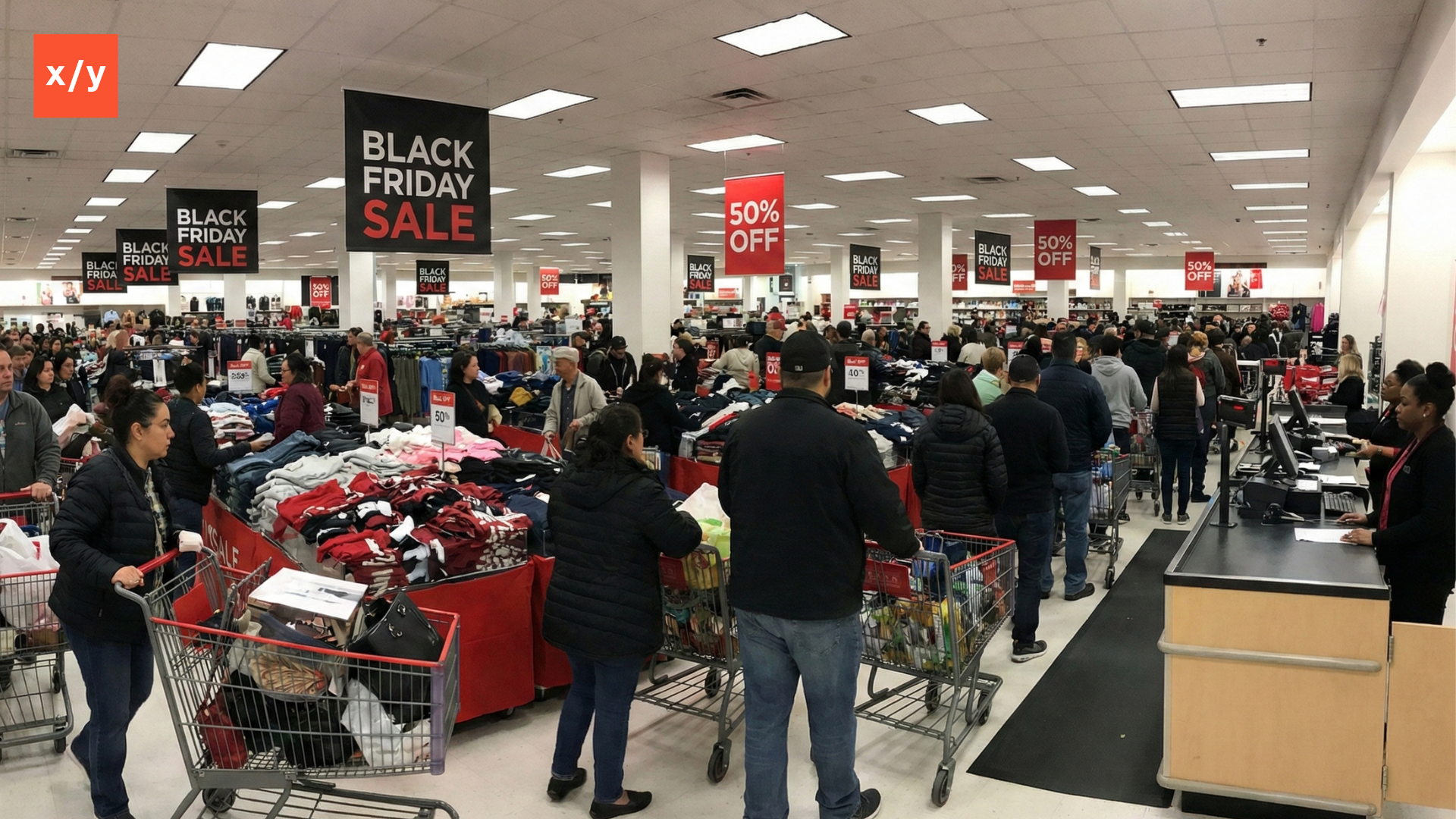
Every year, Black Friday headlines make it sound simple: massive deals, record traffic, and carts overflowing online and in-store. But behind the scenes, the reality for global retail brands is far more complex.
Because “Black Friday” isn’t the same everywhere. Not legally, not operationally, and not even financially.
If you sell across borders, what looks like a universal retail moment is actually a patchwork of local regulations, fiscal systems, tax structures, and payment preferences, each with its own rules and constraints.
The Global Sale That Isn’t Global at All
Running Black Friday across multiple markets is not simply “copy promotion, paste everywhere.”
Different markets treat promotions differently:
- Some countries require real-time tax reporting to government systems.
- Others mandate fiscal devices or certified receipt formats.
- Discount types that are perfectly valid in one country can be non-compliant in another.
- In certain regions, even the way you apply the discount, at item level or transaction level, changes how it must be documented.
So while customers everywhere expect seamless experiences, brands are working behind the curtain to ensure every promotion remains compliant, traceable, and audit-ready.
Why This Matters During Peak Season
During peak sales moments, a retailer’s ability to scale depends on how well its systems can adapt to these differences.
If the platform can’t handle:
- region-specific pricing structures
- VAT vs GST vs consumption tax
- multi-currency rounding
- jurisdictional invoice formats
- approval workflows
- and real-time reporting
… then promotions break, stores pause, the customer experience becomes fragmented, and revenue walks out the door.
This is why many brands invest heavily in strategy, creativity, and promotions - only to discover the bottleneck isn’t the campaign, but the system powering it.
This Is Where Unified Commerce Changes the Story
A unified commerce platform doesn’t mean “all channels in one view.” It means one operational core that can flex to local rules without fragmenting the brand experience.
At XY Retail, this has been our reality since day one: brands operate globally, but compliance is always enforced locally.
We built the platform for:
- global promotions that adapt per region
- local payment gateways tied to unified order and customer profiles
- country-specific fiscalization workflows already wired in
- real-time OMS that updates stock across channels and locations
So when a brand runs a Black Friday or Cyber Monday promotion across 20 countries, the customer sees one cohesive brand. Meanwhile, every regulatory requirement is executed quietly in the background, without exception and without delay.
Customers feel ease, and retail teams feel control.
The Big Picture
What customers see on Black Friday is effortless.
What retailers live on Black Friday is orchestration.
The brands that win are the ones who’ve done the work to make “global” feel local, without compromise.
And that’s the story of modern retail: One world, many rules, and one platform built to handle it.
Do you wanna know more?
Blogs
Strategic advice, retail news, and POVs from the team





One system.
Every retail action
Follow us on: